

কনটেন্টটি শেষ হাল-নাগাদ করা হয়েছে: শনিবার, ২৩ মে, ২০২৬ এ ১২:০৪ PM
Inception Workshop on the Conservation and Restoration Initiatives in the Sundarbans Region (CRIS) Project
কন্টেন্ট: খবর প্রকাশের তারিখ: ২৩-০৫-২০২৬ আর্কাইভ তারিখ: ৩১-১২-২০২৬
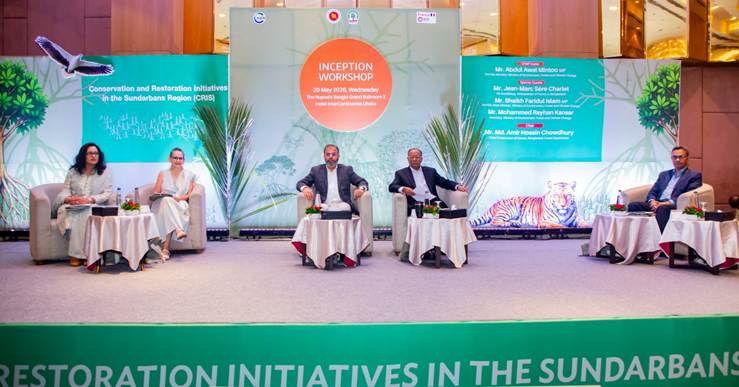
Inception Workshop on the Conservation and Restoration Initiatives in the Sundarbans Region (CRIS) Project; Date and Time: 20 May 2026.
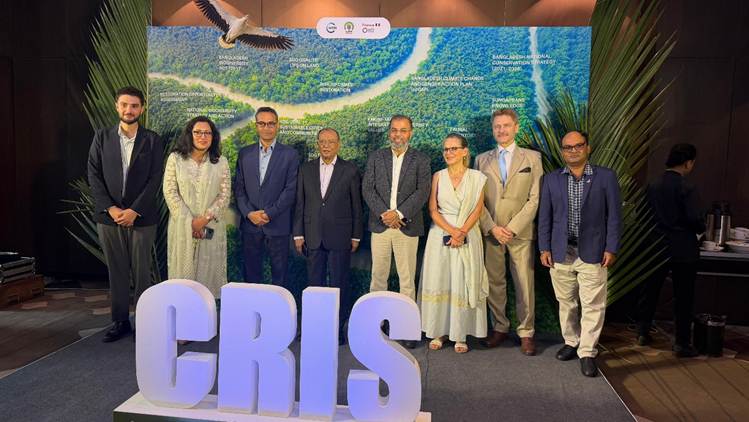
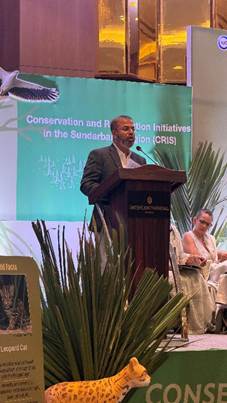
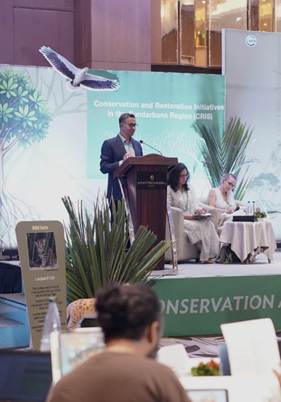
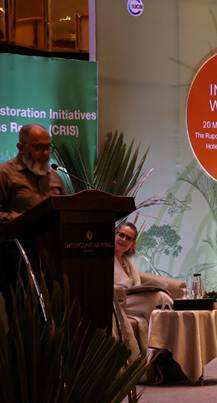
The Inception Workshop of the “Conservation and Restoration Initiatives in the Sundarbans Region (CRIS) Project” was held in Dhaka on 20th May 2026 for bringing together senior government officials, development partners, conservation practitioners, researchers, and civil society representatives to strengthen collaborative action for the sustainable conservation and restoration of the Sundarbans region.
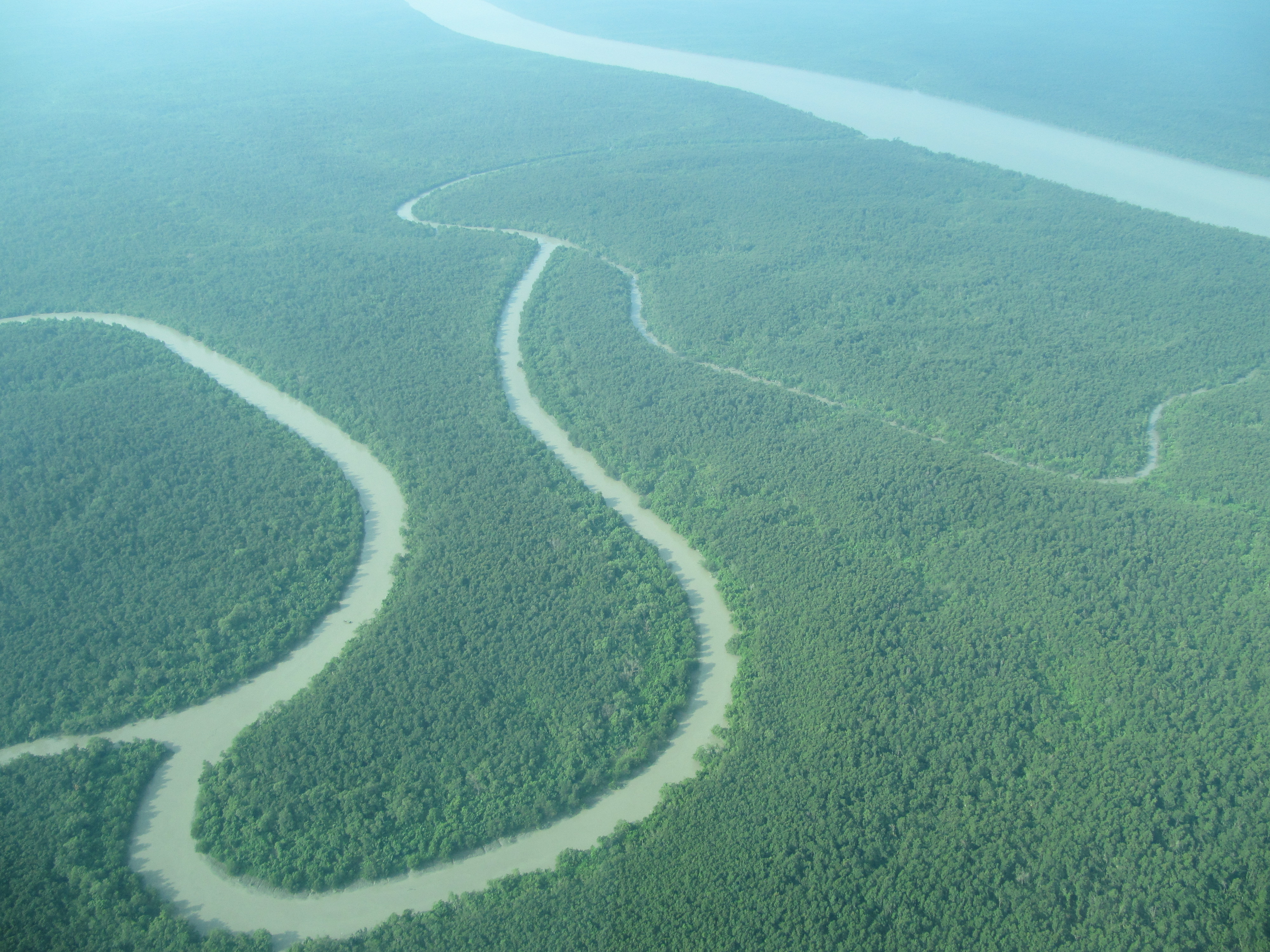
The CRIS Project is being implemented through a partnership between the Bangladesh Forest Department, the International Union for Conservation of Nature (IUCN), and Agence Française de Développement (AFD), with the aim to strengthen ecosystem resilience, biodiversity conservation, climate adaptation, and community engagement in and around the Sundarbans.
The event was attended by the Honourable Minister of the Ministry of Environment, Forest and Climate Change (MoEFCC), senior officials from the Bangladesh Forest Department, representatives from development partners, academia, civil society organisations, and conservation institutions.
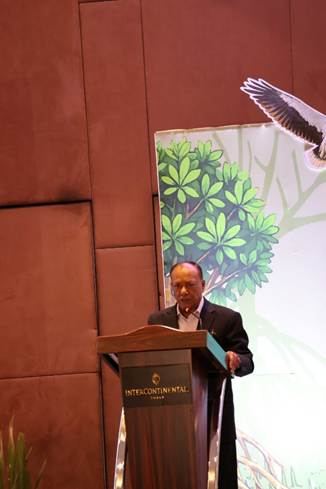
Addressing the workshop as Chief Guest, Abdul Awal Mintoo, Honorable Minister, Ministry of Environment, Forest and Climate Change (MoEFCC), said that, “The CRIS Project is a timely and strategic intervention for the Sundarbans, an ecosystem of global significance, aimed at strengthening ecological resilience, restoring degraded landscapes, conserving biodiversity, and improving livelihoods.” He added that the initiative aligns with national priorities, the SDGs, and global climate and biodiversity commitments, expressing confidence that CRIS will serve as “a model for inclusive, science-based ecosystem restoration.”
Honourable State Minister, MoEFCC, Shaikh Faridul Islam, emphasised the government’s commitment to safeguarding the Sundarbans from environmental threats, wildlife crime, and unsustainable resource use. He stated, “We need stronger law enforcement and enhanced governance to protect this critical ecosystem,” adding the importance of expanding plantation in buffer zones, reducing industrial pressure within the ECA, and restoring rivers and canals to ensure long-term ecological balance and resilience.
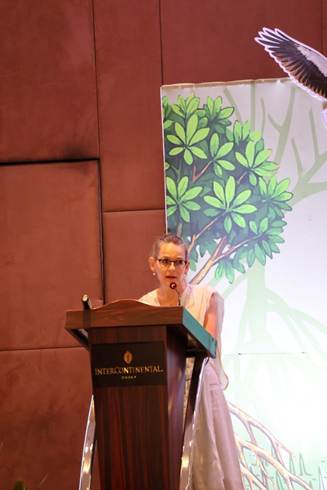
Cecilia Cortese, Deputy Country Director of AFD Bangladesh, speaking as Special Guest, said that “climate resilience and ecosystem restoration must go hand in hand with biodiversity conservation, social inclusion, gender equality, and community participation.” She noted that CRIS represents a key step toward long-term resilience in the Sundarbans and reaffirmed AFD’s continued commitment to supporting Bangladesh through strong partnerships in climate and biodiversity action.
Project Director Imran Hossain stated that the Sundarbans and its surrounding communities are increasingly affected by climate change, salinity intrusion, habitat degradation, and biodiversity loss. He said, “CRIS provides an integrated response combining ecosystem restoration, research, climate resilience, and community engagement,” stressing that these challenges require collective action across government, partners, researchers, and local communities.
Representing IUCN Bangladesh, Country Representative Bipasha S. Hossain said, “CRIS offers an important opportunity to strengthen science, data, restoration, and meaningful community engagement for the long-term conservation of the Sundarbans.” She emphasised that sustainable conservation requires coordinated action among government, researchers, development partners, and local communities.
Speaking as Chair, Md. Amir Hosain Chowdhury, Chief Conservator of Forests, Bangladesh Forest Department, said that the Sundarbans is a globally significant ecosystem providing vital ecological services, biodiversity support, and coastal protection. He warned that emerging threats such as poison fishing in the Sundarbans Impact Zone require urgent attention, stating the need for stronger awareness, enforcement, and community engagement to safeguard this World Heritage ecosystem.